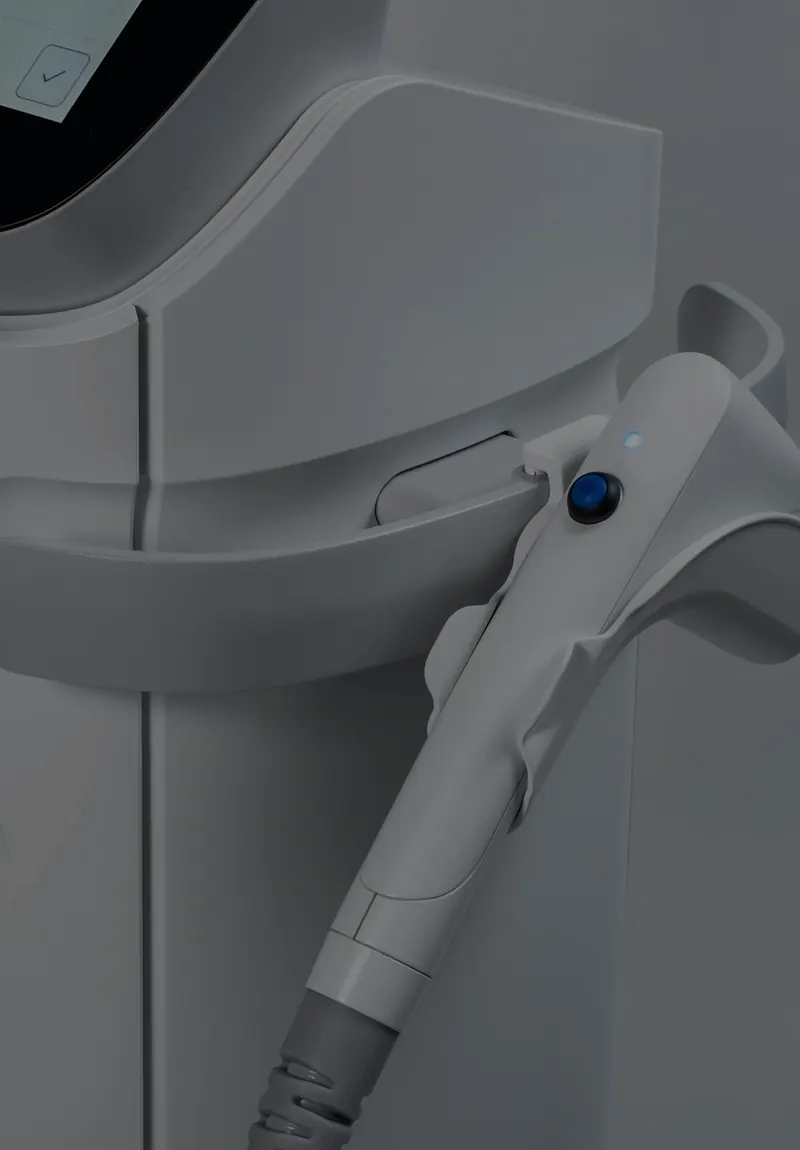
CoolSculpting is one of the most marketable treatments in aesthetic medicine. A single treatment area runs $2,000 to $4,000, and most patients treat two to four areas in a single session. That puts average patient value between $4,000 and $8,000 before maintenance sessions and complementary treatments enter the picture.
The global body contouring market is projected to reach $12.6 billion by 2028, growing at a 15.4% CAGR according to Grand View Research. CoolSculpting — now in its CoolSculpting Elite iteration from Allergan Aesthetics — remains the dominant non-invasive fat reduction brand, with over 14 million treatments performed worldwide.
If your practice owns a CoolSculpting device and your body contouring calendar has open slots, this guide covers exactly how to fill it — from Meta Ads creative to pricing strategy to handling the GLP-1 conversation.
Why CoolSculpting Is Built for Paid Advertising
Not every treatment in your menu translates well to paid social and search. CoolSculpting checks every box that matters for ad performance:
- Dramatic before-and-after results — fat reduction is one of the most visually compelling transformations you can show. Before/after content stops the scroll and drives action because the results are obvious to anyone, not just aesthetics professionals.
- High commercial intent — people searching "CoolSculpting near me" or "non-surgical fat removal" already know they want the treatment. They're comparing providers, not researching whether it works.
- Multiple treatment areas — abdomen, flanks, inner thighs, double chin, bra fat, banana roll. Each area is a distinct ad angle targeting a distinct patient segment with a distinct pain point.
- Massive brand recognition — CoolSculpting has spent hundreds of millions on consumer advertising. Your patients already know the brand. You don't need to educate them on the concept — just convince them to book with you.
- High ticket value — with average treatments running $2,000 to $4,000+, you can afford aggressive ad spend and still maintain strong ROI. A $40 cost per lead that converts at 20% means you're acquiring patients at $200 against a $3,000+ treatment value.
Meta Ads Strategy for CoolSculpting
Meta (Facebook and Instagram) is where most of your CoolSculpting patients will come from. The platform excels at reaching people who want body contouring but haven't started actively searching yet — which is the majority of your potential patient pool.
Here's the campaign structure that works for med spa Meta Ads:
Campaign Architecture
Campaign 1: Prospecting (Broad + Interest-Based)
- Objective: Leads (Instant Forms)
- Audience: Women 28-60, household income top 25%, within 20-mile radius
- Interest stacking: body contouring, weight loss, fitness, plastic surgery, liposuction alternatives
- Budget: 60-70% of total CoolSculpting ad spend
Campaign 2: Retargeting
- Audience: Website visitors (CoolSculpting page), video viewers (50%+), Instagram/Facebook engagers
- Creative: Testimonials, FAQ-style content addressing objections, limited-time package offers
- Budget: 30-40% of total spend
Lead Form Strategy
Use Higher Intent instant forms with qualifying questions. CoolSculpting attracts a lot of price shoppers — qualifying on the form saves your front desk hours of follow-up on leads that were never going to book.
Qualifying questions that work:
- "Which area(s) are you most interested in treating?" (multi-select: abdomen, flanks/love handles, thighs, chin, arms, other)
- "Have you had a CoolSculpting consultation before?" (yes/no — separates warm leads from cold)
- "When are you looking to start treatment?" (within 2 weeks, within a month, just researching)
Average cost per lead for CoolSculpting campaigns runs $25 to $45, according to industry benchmarks tracked by agencies specializing in med spa lead generation. Cost per booked consultation typically falls between $90 and $175.
Proof the offer-first approach works for higher-ticket treatments: we built a Greater Toronto Area med spa a curated PRP hair-restoration offer and ran it on Meta. A $1,000 budget produced 100+ leads at roughly $10 each — 10 consults, 5 packages, about $12,500 in month-one revenue. With no procedure video, we ran image ads — the offer carried it. Body contouring follows the same rule: package the outcome, don't discount the unit.
Google Ads: Capturing High-Intent Searches
Meta fills the top of the funnel. Google captures the patients who are ready to book now. If you're not running Google Ads for CoolSculpting, you're handing high-intent patients to competitors who are.
Keywords That Convert
Highest intent (bid aggressively):
- "CoolSculpting near me"
- "CoolSculpting [city name]"
- "CoolSculpting Elite near me"
- "CoolSculpting cost [city]"
- "best CoolSculpting provider [city]"
Mid-intent (good for education-first landing pages):
- "CoolSculpting vs liposuction"
- "non-surgical fat removal"
- "CoolSculpting results"
- "how many CoolSculpting sessions do I need"
- "CoolSculpting before and after"
Negative keywords to add immediately: free, DIY, at home, jobs, technician, training, certification, salary, complaints, lawsuit
Expected cost per click for CoolSculpting keywords ranges from $8 to $25 depending on market competition. Dense metro areas like Miami, LA, and NYC run higher. But even at $25 per click, a 10% landing page conversion rate means you're generating leads at $250 — still profitable against a $3,000+ treatment value.
Creative and Video Strategy
Your CoolSculpting ads live or die on the creative. The treatment is inherently visual — use that advantage.
Ad Formats That Perform
- Before/after carousels — the single highest-performing format for body contouring. Show multiple angles, multiple patients, multiple treatment areas. Always include a disclaimer about individual results.
- Patient testimonial videos — 30 to 60 seconds, filmed on a phone, real patient talking about their experience. Authenticity outperforms production value every time in this category.
- Provider walkthrough videos — your practitioner explaining the CoolSculpting Elite technology, what the treatment feels like, and what results to expect. Builds trust and positions your clinic as the authority.
- Treatment process videos — show the applicator being placed, the patient relaxing during treatment, the post-treatment massage. Demystifies the experience and reduces anxiety about booking.
Hooks That Stop the Scroll
The first two seconds determine whether someone watches or keeps scrolling. Hooks that work for CoolSculpting:
- "I lost 3 inches off my waist without surgery" (patient testimonial opening)
- "This is what [X] sessions of CoolSculpting actually looks like" (transformation reveal)
- "The treatment your gym can't replace" (positions against exercise plateau)
- "CoolSculpting Elite vs. the original — here's what changed" (education angle for the upgraded device)
Rotate creative every 3 to 4 weeks. CoolSculpting audiences fatigue faster than injectable audiences because the treatment areas and visual angles are more limited. Plan your content calendar accordingly — shoot new patient testimonials monthly.
Pricing and Packaging Strategy
How you price CoolSculpting directly affects your ad performance. The wrong pricing structure kills conversion rates regardless of how good your ads are.
Packages That Convert
- Multi-area bundles — "Treat 2 areas, get 20% off the third." Most CoolSculpting patients want more than one area treated. Bundling increases average transaction value while giving the patient a reason to book now instead of doing one area and waiting.
- Treatment series pricing — some patients need two cycles per area for optimal results. Price a series at a discount versus individual sessions to lock in the commitment upfront.
- Seasonal promotions — tie offers to natural demand cycles (more on timing below). "Summer Body Package" or "New Year Sculpt Special" gives urgency without discounting the treatment itself.
Pricing Mistakes to Avoid
- Never lead with the lowest price — CoolSculpting attracts price shoppers by nature. Leading with discount pricing attracts the patients least likely to follow through, show up for appointments, or refer others.
- Don't hide pricing completely — "call for pricing" in 2026 is a conversion killer. Give a starting range ("treatments start at $X per area") so patients can self-qualify before filling out your form.
- Avoid comparing to liposuction on price — position CoolSculpting on convenience, zero downtime, and non-invasiveness. Competing on price against surgery is a losing frame.
Handling GLP-1 Competition
The rise of GLP-1 medications like semaglutide (Ozempic, Wegovy) has reshaped the body contouring conversation. Some practices see GLP-1s as a threat to CoolSculpting. The smart ones position them as complementary.
Here's the reality: GLP-1 patients are some of your best CoolSculpting candidates. According to the American Society for Aesthetic Plastic Surgery (ASAPS), demand for body contouring procedures among weight loss patients increased 53% from 2023 to 2025. Patients who lose weight with GLP-1s often have stubborn pockets of fat that don't respond to the medication — and they're highly motivated to address them.
Messaging Framework
- "Lost the weight? Now sculpt the shape." — Position CoolSculpting as the finishing step after weight loss, not a competitor to it.
- Target GLP-1 audiences directly — create ad sets targeting semaglutide, Ozempic, Wegovy, and weight loss medication interests. These patients already have disposable income allocated to body transformation.
- Educate on what GLP-1s can't do — GLP-1 medications reduce overall body fat but can't spot-reduce. CoolSculpting can. That's the differentiation.
Practices that integrate GLP-1 programs with CoolSculpting are seeing higher patient lifetime values than either treatment alone. Consider offering combination packages.
Seasonal Timing and Campaign Calendar
CoolSculpting demand follows predictable seasonal patterns. Planning your ad spend around these cycles maximizes return:
- January–March (peak) — New Year resolutions drive the highest search volume. Ramp ad spend 30-40% above baseline. Lead with "New Year, New You" and body transformation messaging.
- April–May (strong) — "Summer body" urgency kicks in. CoolSculpting results take 2-3 months to fully develop, so patients booking now see results by July. Use countdown-style messaging.
- June–August (moderate) — active demand dips slightly, but patients who missed the spring window still book. Maintain baseline spend and focus retargeting on spring leads who didn't convert.
- September–November (building) — holiday event season and "treat yourself" messaging works well. Wedding season for fall weddings also drives bookings.
- December (moderate) — gift card promotions and holiday packages perform well. Lower direct booking volume but strong gift card revenue that converts to January treatments.
The key insight: never turn off CoolSculpting ads completely. Even during slower months, maintaining visibility keeps your practice top-of-mind for when patients are ready. Consistent brands outperform seasonal advertisers on cost per acquisition over a 12-month period.
Patient Education: The Conversion Multiplier
CoolSculpting has strong brand awareness but weak patient understanding. Most potential patients know of CoolSculpting but have questions that prevent them from booking:
- Does it actually work? (yes — FDA-cleared, backed by peer-reviewed studies)
- How many treatments do I need? (typically 1-2 per area)
- When will I see results? (initial changes at 3 weeks, full results at 2-3 months)
- Does it hurt? (patients feel intense cold and pressure, but most tolerate it well)
- What's the difference between CoolSculpting and CoolSculpting Elite? (Elite uses dual applicators to treat two areas simultaneously, cutting treatment time in half)
Build educational content that answers these questions and use it across your marketing. A dedicated CoolSculpting landing page with FAQ, before/after gallery, and pricing guide converts at 2-3x the rate of a generic clinic page. Blog content targeting these questions also drives organic traffic from patients researching before they book.
For a broader view of how education-driven marketing fits into your overall med spa marketing strategy, that guide covers the full framework.
Tracking and Optimization
CoolSculpting campaigns require tighter tracking than most treatments because of the longer decision cycle. A patient might see your ad, research for two weeks, visit your website three times, and then call to book. If you're only tracking form fills, you're missing half your conversions.
- Meta Conversions API (CAPI) — essential for accurate attribution. Don't rely on the pixel alone.
- Call tracking — CoolSculpting patients call more than they fill out forms. Use tracked phone numbers on your landing pages.
- CRM integration — connect your ad platforms to your CRM so you can track lead-to-consultation and consultation-to-treatment conversion rates by campaign.
- Revenue attribution — track which campaigns generate actual revenue, not just leads. A campaign with $45 CPL that converts at 25% outperforms a $25 CPL campaign that converts at 8%.
Review performance weekly. The CoolSculpting ad landscape shifts fast — competitor promotions, seasonal demand changes, and creative fatigue all require active management. The practices that treat their advertising like a living system rather than a set-it-and-forget-it channel consistently outperform.
At ScaleHaven, we manage CoolSculpting campaigns for med spas and aesthetic clinics, handling everything from creative production to lead follow-up. If your body contouring calendar has gaps, a well-structured Meta Ads campaign is the fastest way to fill them.