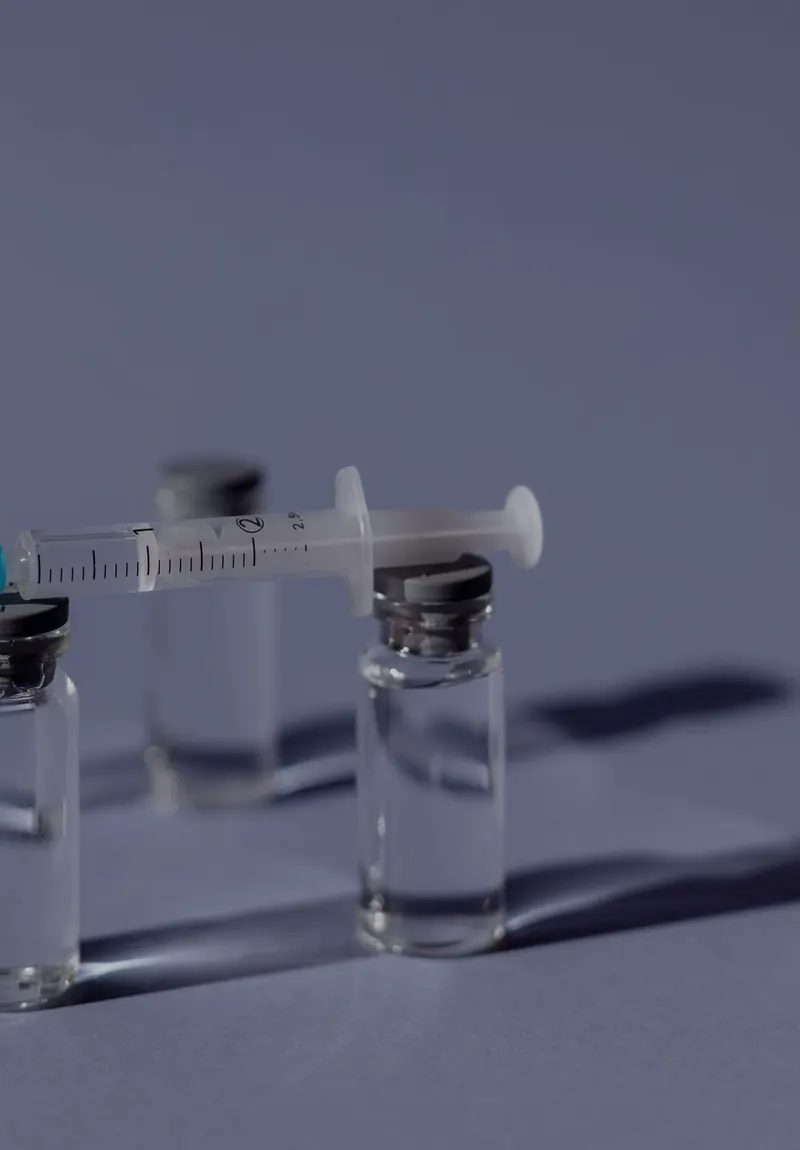
The global dermal filler market hit $5.4 billion in 2025 and is projected to reach $8.6 billion by 2030, according to the American Society for Aesthetic Plastic Surgery (ASAPS). That growth isn't slowing down, and it matches the wider trend in our med spa industry statistics. Fillers are one of the fastest-growing treatment categories in aesthetic medicine, and for med spas and aesthetic clinics, they represent one of the most profitable services you can market.
But here's the problem: most clinics market fillers the same way they market everything else. Generic ads, discounted pricing, no strategy behind the creative. The result is low-quality leads, price shoppers, and patients who ghost after one appointment.
This guide breaks down how to build a dermal filler marketing strategy that attracts high-value patients — the ones who book multiple syringes, return every 6 to 12 months, and refer their friends.
Why Fillers Are the Ideal Treatment to Market
If you had to pick one treatment category to build your marketing around (after Botox), fillers would be it. Three reasons:
- High revenue per appointment — fillers run $500 to $1,500 per syringe, and most patients need 2 to 4 syringes per session. That puts your average filler appointment at $1,000 to $4,000 — far above Botox's $300 to $600 range.
- Built-in repeat business — hyaluronic acid fillers (Juvederm, Restylane, RHA Collection) last 6 to 18 months depending on the product and treatment area. Biostimulators like Sculptra require a series of sessions. Either way, patients come back.
- Visual results that sell themselves — lip filler before-and-afters are some of the highest-performing ad creative in all of aesthetic marketing. The transformation is immediate and obvious, which makes it easy to create compelling ads.
The patient lifetime value on fillers is substantial. A patient who gets lip filler twice a year and adds cheek or jawline filler annually is worth $3,000 to $8,000+ per year to your practice — before you factor in cross-sells to other treatments.
The Numbers Behind Filler Marketing
Based on campaign performance data across med spas and aesthetic clinics running Meta Ads for fillers:
- Cost per lead: $18 to $30 (lower than most body contouring or laser treatments)
- Cost per booked consultation: $60 to $140
- Cost per acquired patient: $150 to $350
- Average first-visit revenue: $800 to $2,500
- 12-month patient LTV: $3,000 to $8,000+
- Repeat rate: 65% to 75% rebook within 12 months
The unit economics are hard to argue with. Spend $250 to acquire a patient, collect $1,500 on their first visit, and generate $5,000+ over the next two years. That's a 20:1 return if your retention is solid.
Meta Ads Strategy for Dermal Fillers
Meta (Facebook and Instagram) is the dominant paid channel for filler marketing. The audience is there, the targeting works, and the visual format is built for before-and-after content. Here's how to structure your campaigns. (For a full breakdown, read our complete guide to Facebook Ads for med spas.)
Campaign Structure
Run separate campaigns by treatment area — don't lump lip filler, cheek filler, and jawline contouring into one ad set. Each attracts a different patient with different motivations:
- Lip filler — your highest-volume opportunity. Skews younger (25 to 40), highly visual, emotional purchase. Lead with transformation content.
- Cheek and midface — restoration-focused. Targets patients 35 to 55 who want to restore volume they've lost. Educational content works well here.
- Jawline and chin — contouring and definition. Appeals to both men and women. Growing fast, less competitive in most markets.
- Under-eye (tear trough) — solves a specific, visible problem. Patients are highly motivated. Note: some providers use different products here (Restylane Eyelight, Belotero), so call out your approach.
- Full-face rejuvenation — package positioning for patients 45+ who want a comprehensive approach. Higher ticket, fewer leads, but massive revenue per patient.
Targeting
For filler campaigns on Meta, start with:
- Location: 15 to 25 mile radius around your clinic (tighter in dense metro areas)
- Age: Match to treatment — 25 to 45 for lips, 35 to 60 for cheeks and midface, 30 to 55 for jawline
- Gender: Primarily women (85%+ of filler patients), but test broad for jawline campaigns
- Interest stacking: Layer beauty, skincare, and cosmetic procedure interests. Include competitor brand interests (Juvederm, Restylane, RHA) when audience size allows.
Once you have 50+ conversions, shift to Advantage+ audiences and let Meta's algorithm optimize. For a deeper dive on lead generation strategy, see our full breakdown.
Creative That Converts: What Works for Filler Ads
Filler ads live and die on creative quality. The visual nature of the treatment means your ad creative is doing 80% of the selling. Here's what performs:
Before-and-After Content
This is your highest-converting format, period. Side-by-side or slider-style before-and-afters of real patients generate the lowest CPLs and highest engagement. Rules for execution:
- Same lighting, same angle, same background in both photos
- Natural-looking results — not overdone. The audience you want to attract values subtlety.
- Include the treatment area and product used in the caption ("Lip enhancement with Juvederm Volbella — 1 syringe")
- Always get written consent from the patient for ad use
Provider-Led Video
Short-form video (15 to 45 seconds) of your injector explaining the treatment, demonstrating technique, or walking through results. This builds trust faster than any static image. The provider's expertise and bedside manner become your competitive advantage.
Patient Testimonial
Real patients talking about their experience — why they chose fillers, what the process was like, how they feel about the results. Authenticity matters more than production value here. Phone-quality video outperforms polished studio content in most filler campaigns.
Educational Content
Posts that explain the differences between filler types, what to expect during the appointment, or how long results last. This content builds authority and pre-qualifies patients. It also weeds out price shoppers — educated patients understand why quality injecting costs what it does.
A note on how far creative actually has to carry you: we ran Meta for a Greater Toronto Area med spa that had no procedure video at all. We built a curated PRP hair-restoration offer and ran image ads. A $1,000 budget brought in 100+ leads at roughly $10 each — 10 consults, 5 packages, about $12,500 in month one. A strong, named offer beats slick creative every time.
Targeting the Right Patient (Not Price Shoppers)
The biggest threat to your filler marketing ROI isn't a high CPL — it's attracting the wrong patient. Price shoppers who are looking for the cheapest syringe in town will burn through your consultation time, negotiate on price, and never come back.
Here's how to filter them out:
- Never lead with price in your ads. Lead with results, expertise, and safety. Mentioning your price in the ad copy attracts people who are shopping on price.
- Use qualifying questions in your lead form. Ask about treatment history, budget range, and timeline. This filters out tire-kickers before they hit your phone.
- Emphasize injector credentials. Board certifications, years of experience, specialized training in facial anatomy. High-value patients choose their injector, not the cheapest option.
- Show premium results. Your before-and-afters should demonstrate natural, refined outcomes — not dramatic, overdone transformations. The patients you want are looking for subtlety and skill.
The clinics that consistently attract high-value filler patients all do the same thing: they position on expertise and outcomes, not on price. Your marketing should feel like a consultation, not a clearance sale.
Educating Patients on Filler Types
One of the most effective filler marketing strategies is education. Most patients don't know the difference between Juvederm and Restylane, let alone where each product is best used. When you educate them, you position your practice as the authority — and you justify your pricing.
Here's a framework for how to talk about filler brands in your marketing:
- Juvederm Collection (Allergan) — Voluma for cheeks, Vollure for nasolabial folds, Volbella for lips and under-eyes. Smooth gel consistency, well-known brand patients often request by name.
- Restylane Collection (Galderma) — Lyft for cheeks and hands, Refyne and Defyne for laugh lines, Kysse for lips, Eyelight for under-eyes. NASHA technology, slightly firmer products for structural support.
- RHA Collection (Revance) — Designed to move with facial expressions. Growing fast in the premium segment. Great for patients who want natural movement.
- Sculptra (Galderma) — Biostimulator, not a traditional filler. Stimulates collagen production over 2 to 3 sessions. Results build gradually and last up to 2 years. Higher price point, different patient conversation.
- Radiesse (Merz) — Calcium hydroxylapatite filler. Provides immediate volume and stimulates collagen. Works well for cheeks, jawline, and hands. Can be diluted for skin quality (hyperdilute Radiesse).
Use this information in your content marketing, your consultation process, and your ad creative. Patients who understand the products are more confident buyers and less likely to price-shop.
Pricing and Packaging Strategy
How you price and package fillers directly impacts your marketing performance. Get this wrong and you attract the wrong patients. Get it right and you increase both conversion rate and average revenue per patient.
Per-Syringe vs. Package Pricing
- Per-syringe pricing is transparent and industry-standard. It works well for patients who know exactly what they want ("I need 1 syringe of lip filler"). But it can anchor patients to the minimum.
- Package pricing bundles multiple syringes or treatment areas at a slight discount. "Full lip enhancement — 2 syringes of Juvederm Volbella, $1,150" (vs. $650/syringe individually). This increases average order value and simplifies the decision.
The highest-performing approach: offer both. Show per-syringe pricing for transparency, but present packages as the recommended option during consultations. Most patients will choose the package when it's framed as the better value.
Membership and Loyalty Programs
Filler patients are perfect candidates for membership programs. A monthly membership ($150 to $300/month) that includes product credits, priority booking, and discounts on additional treatments locks in recurring revenue and dramatically improves retention rates. Clinics with active membership programs see 40% to 60% higher patient LTV compared to pay-per-visit models.
Both Allergan (Alle) and Galderma (ASPIRE) offer manufacturer loyalty programs that stack with your own. Make sure your front desk is enrolling every filler patient in both.
Retention and Rebooking: Where the Real Money Is
Acquiring a filler patient costs $150 to $350. Retaining one costs almost nothing. The practices that generate the most revenue from fillers aren't the ones with the biggest ad budgets — they're the ones with the best retention systems.
Rebook at Checkout
The single most impactful retention tactic: book the next appointment before the patient leaves. "Your Juvederm typically lasts about 9 months in the lips. Let's get you on the calendar for February so you don't lose your results." Clinics that rebook at checkout see retention rates above 80%.
Automated Follow-Up Sequences
Set up automated text and email sequences tied to treatment timelines:
- 48 hours post-treatment: Check-in message asking how they're feeling
- 2 weeks post-treatment: Request a review or before/after photos
- 30 days before results typically fade: Reminder to rebook, with a direct booking link
- If they don't rebook: Follow-up sequence with value content (new products, seasonal specials, injector tips)
Cross-Sell Into Other Treatments
Once a patient trusts your injector, the cross-sell conversation becomes natural. Filler patients are strong candidates for Botox, Morpheus8, laser treatments, and skin care programs. Map out a treatment journey for each patient profile and train your team to present it during follow-up visits.
Putting It All Together
Filler marketing isn't complicated, but it does require intentional strategy. The clinics that win in this space do a few things consistently:
- They run treatment-specific Meta Ads campaigns with strong before-and-after creative
- They position on expertise and outcomes, not on price
- They educate patients on different filler products, building trust and justifying their pricing
- They use smart packaging to increase average revenue per appointment
- They build retention systems that turn one-time patients into recurring revenue
The filler market is growing fast, but so is the competition. The practices that invest in a real marketing strategy — not just boosted posts and Groupon deals — are the ones building sustainable, profitable patient pipelines.
At ScaleHaven, we build and manage filler campaigns for med spas and aesthetic clinics across the US and Canada. If you want a done-for-you system that delivers booked consultations — not just leads — book a free call and we'll show you exactly how we'd do it for your practice.